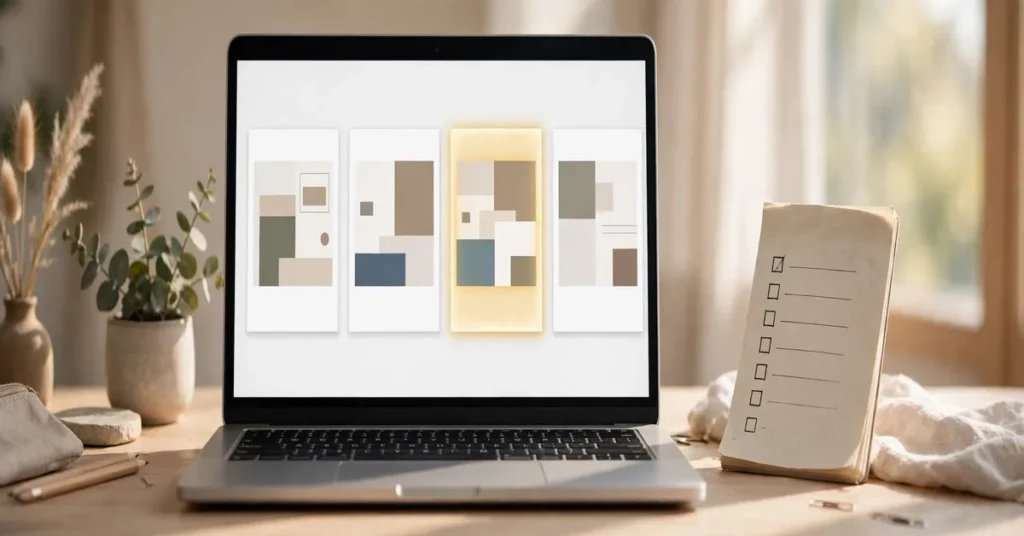
To choose a WordPress theme well, judge it on five things, in this order: how actively it is maintained, how fast its demo loads, whether it works with the editor you plan to use, whether its design actually fits your content, and what support looks like when something breaks. Price and prettiness come last. A theme is the foundation of your website — it controls your layout, much of your speed and a good share of your security — so the hour you spend checking it properly saves you the cost of rebuilding on a bad one later.
When I start a client build, the theme decision is one of the first conversations we have, because it quietly shapes everything after it. Here is the exact process I use.
Start With Your Content, Not the Gallery
Theme galleries are designed to seduce you with photography. A restaurant theme looks stunning because of the food photography, a portfolio theme because of the artwork. Strip that away mentally and ask a harder question: does this layout fit the pages I actually have?
Before you open a single theme marketplace, write down:
- Your page list — home, services, about, contact, shop, guides, and so on.
- Your non-negotiables — an online store, booking forms, a multilingual site, a members’ area.
- The editor you intend to use — the block editor, Elementor, or another builder. (If you are still deciding, my guide on the essential elements of a business website will help you fix the page list first.)
A theme that needs twelve plugins to deliver your non-negotiables is the wrong theme, however beautiful its demo is. Features built into your plan should come from plugins where possible anyway — plugins can be replaced; a theme that owns your portfolio, testimonials and pricing data takes that data hostage when you leave it.
Free vs Premium: What the Money Actually Buys
Good free themes exist. The official WordPress theme directory hosts thousands of them, every one reviewed before listing, and several respected themes offer genuinely capable free versions. What a premium theme usually buys is not better design — it buys support from a real team, deeper customisation settings, and a business model that funds continued updates.
Premium licences typically run from roughly $30 to $90 per year for one site, depending on the theme and what is bundled — treat that as an estimate range, not a quote, and check what renewal costs, because the first-year discount is a standard trick.
My working rule: if this website earns money or represents your business publicly, a supported premium theme — or a premium version of a proven free theme — is cheap insurance. If it is a test project, a reviewed free theme is a perfectly sensible start.
Check the Update History and Support
This is the check most buyers skip and the one that predicts your future best. Before installing any theme, look at:
- Last updated date. A theme untouched for more than a year is a risk. WordPress, PHP and browsers all move; an abandoned theme slowly breaks and quietly becomes a security problem.
- Version history. Regular small updates are a healthy sign. One giant update every two years is not.
- Support forum activity. Are questions answered, and how fast? Read three or four threads. The tone of the answers tells you exactly what your worst day with this theme will feel like.
- Install count and ratings. A theme used by tens of thousands of sites has been tested in ways a new theme has not. Read the lowest ratings specifically — they name the real problems.
Test the Demo Like a Buyer, Not a Fan
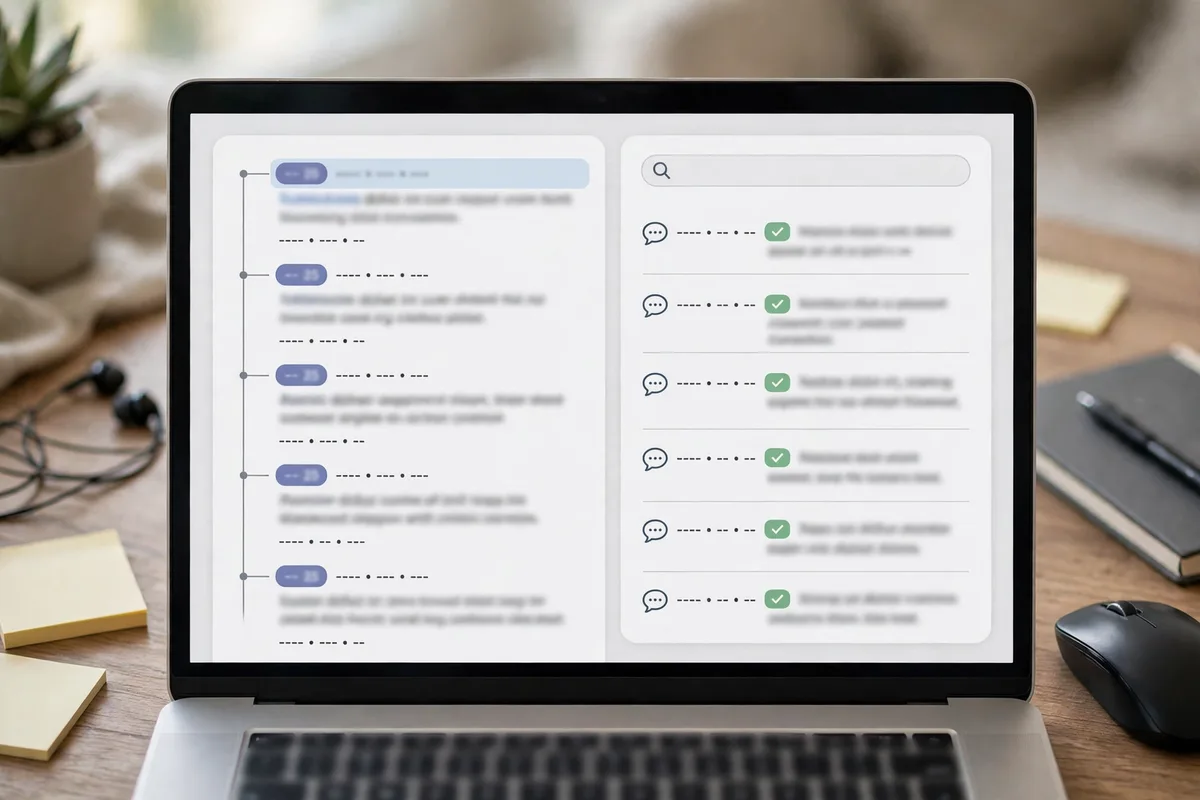
Never buy from the screenshot page. Open the live demo and do four things:
- Run it through a speed test. The demo is the theme at its best, on the seller’s hosting, with optimised images. If the demo is already slow, your site will be slower. My guide to speeding up a WordPress website explains the scores that matter.
- Use it on your phone. Not a resized browser window — your actual phone. Tap the menu, fill in the contact form, try to buy the demo product if it is a store theme.
- Check the inner pages. Homepages get all the polish. Look at a standard article, the shop page, the 404 page and the search results. That is the design your visitors will mostly live in.
- Count the clicks to publish. If a simple text change in the demo’s description requires a settings maze, imagine doing that weekly for two years.

Match the Theme to Your Editor
Themes and editors are a package decision. Some themes are built for the block editor and give you full-site editing of headers, footers and templates. Others are designed as companions to Elementor or another builder, with clean blank canvases and header/footer builders. A theme fighting your editor produces the classic symptoms: styles that will not change, headers you cannot remove, layouts that break after updates.
This is also why my own client builds standardise on a small number of theme-and-editor combinations I know deeply, rather than whatever is fashionable that month — when I build a website package, the theme is chosen to serve the editor and the content, never the other way round. If you are weighing a builder against hand-written code, my Elementor vs Custom Code guide covers that decision.
What to Avoid: The Traps That Cost Money Later
Nulled or “free premium” themes. A premium theme downloaded free from a file-sharing site is the single easiest way to get a website hacked. These copies are a known distribution channel for hidden malware and spam links — the “saving” is typically a few dozen dollars, and the cleanup costs many times that. There is no support and no updates either. Never install one, and never let anyone building your site install one.
Themes bundled with everything. A theme advertising forty bundled plugins and twelve website types in one package is advertising bloat. You will use a fraction of it, carry all of its code, and inherit every bundled plugin’s update and security problems.
Marketplace themes with your content built in. If your portfolio items, team members or testimonials exist only inside the theme, changing themes deletes them from view. Your content should live in WordPress itself or in plugins you control.
Judging by the star rating alone. A 4.9 average from thirty ratings means less than 4.6 from three thousand. Weight, age and support matter more than the headline number.
Buying the demo, not the theme. If what you love is the demo’s photography, buy photography instead. Import the demo content of any finalist onto a test site and replace it with your real words and images before you commit — some themes collapse the moment real content arrives.
One More Test: The Two-Year Question
Before you finally commit, ask one question about the future rather than the launch: will this theme still serve the site in two years? Websites grow. You may add a store to a brochure site, start publishing guides, take bookings, or need a second language. Check whether the theme’s own roadmap and documentation mention the features on your horizon, and whether real sites in the support forum are already using it that way. A theme that fits today but has no room to grow forces the most expensive outcome of all — a full theme change with content, settings and design to rebuild. It is far cheaper to choose a slightly more capable, well-supported foundation now than to migrate under pressure later, when the site is busy, ranked and earning.
A Short Pre-Purchase Checklist
- Updated within the last few months, with a visible version history
- Support questions answered, recently and politely
- Demo loads fast on a speed test and works properly on your phone
- Built for — or officially compatible with — your chosen editor
- Your must-have features come from the theme only where they should; the rest from replaceable plugins
- Licence cost and renewal price written down, from the developer’s own site
- No bundled-plugin mountain, no content locked inside the theme
Choose a theme by that list and you will likely keep it for years, through redesigns of pages and content rather than emergency rebuilds of the foundation.
If you would rather not gamble on the foundation at all, this is a decision I make with clients on every project. Get in touch for a consultation and I will recommend the theme-and-editor combination that fits your content and your plans — as part of a build, that advice comes with fixed pricing: landing pages from $349, a website with a store from $799, and custom builds from $1,499.